Dubai’s Real Estate Market on the Path to 2026: Why Have Buyers Become More Cautious?
5/5 - (3 votes)
home > UAE Blog Posts > News > Dubai’s Real Estate Market on the Path to 2026: Why Have Buyers Become More Cautious?
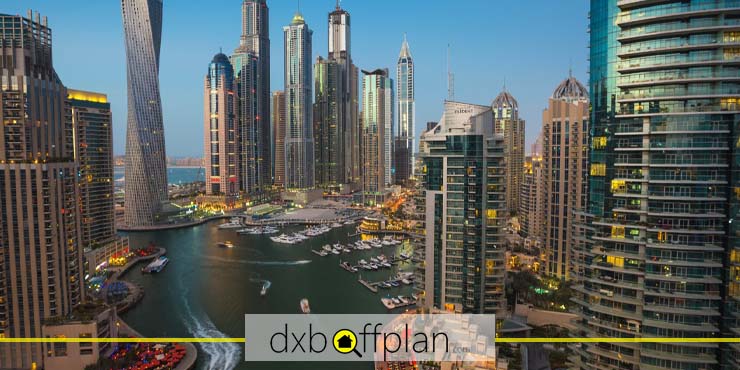
Having set historic records in 2025, it appears that the real estate market of Dubai is stepping into 2026 under a different and certainly rationaler look. As transactional volumes continue to be robust, signs are appearing to show that the market is slowly changing. Specifically, the market is slowly transitioning away from emotional decision-making and into the following fundamental principles:
Quality of construction and the delivery record of developers
Urban infrastructure and transport accessibility
Long-term livability
Pricing logic and resale value
In a competitive market
Dubai Real Estate Transaction Records in 2025: What Do the Numbers Say?
According to official data, Dubai recorded more than 197,000 real estate transactions worth AED 624.1 billion between January and November 2025 alone-a record that dwarfed previous records well before year-end. The big growth was partly driven by:
strong inflows of international capital
Growth in end-user demand by residents
Sustainable economic growth and macro-economic stability in the UAE
Shifting Buyer Strategies in Dubai’s Real Estate Market
Analysts in the market have forecast that the year 2026 will witness paradigm shifts in market buyers. While the year 2025 was characterized by numerous off-plan projects, payment plans, and price hikes, buyers are gradually becoming more thoughtful. In the current market, the parameters of decision are becoming more focused on:
The developer’s execution record and credibility
Actual Construction Quality instead of Project Branding
Long-term economic viability of projects
Firas Al Msaddi, CEO of fäm Properties, quoted in:
“In 2026, the market will be driven not by excitement, but by data, logic, and financial discipline.”
Dubai’s Luxury Real Estate Market: What Makes It Resilient?
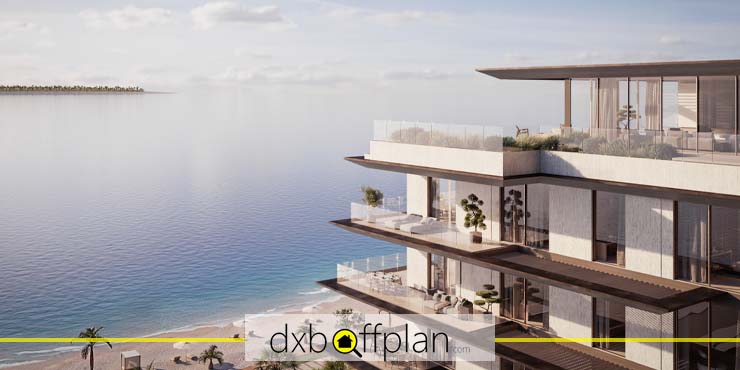
Despite the behavioral shift in the market as a whole, the luxury real estate market continues to function as a stabilizing force. Ultra prime villas, branded developments, and waterfront properties in markets such as:
Palm Jumeir
Jumeirah Bay Island
Emirates Hills
Dubai Hills Estate
Mohammed Bin Rashid City
continue to face structural supply shortages.
As a result, even in more sensitive market conditions:
Price flexibility in these areas is limited
Demand from High-Net-Worth Investors Remains Intact
Positioning of the Luxury Real Estate Market as an Asset Class Globally
The Role of Infrastructure and Metro Expansion in Dubai Property Pricing
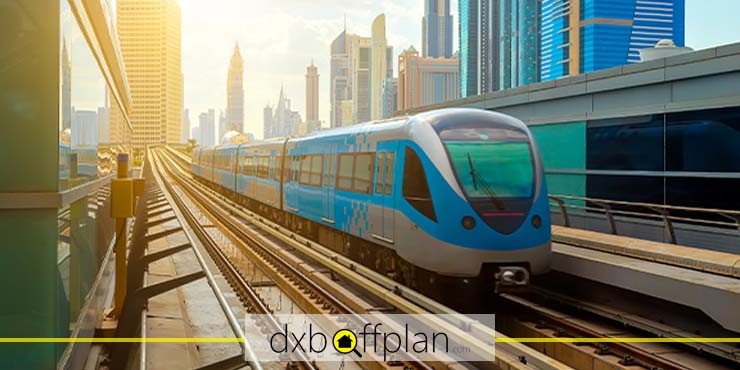
The access to transportation and connectivity infrastructure remains one of the most influential drivers of property value growth into 2026. In fact, a close look at the public transport review in Dubai reveals that the projects’ connectivity to new metro lines, specifically the Dubai Metro Blue Line, has been acting as a key determinant for purchase and investment decisions nowadays. Such projects are receiving far stronger demand. Examples of areas benefiting from this shift include:
Dubai Creek Harbour
Festival City
Parts of Dubai Silicon Oasis
International City
Furthermore, projects fronting the Etihad Rail corridor in southern Dubai are increasingly perceived as offering strategic long-term investment opportunities.
Dubai Rental Market 2026 Outlook
The rental sector in 2026 is expected to be more balanced than in any of the recent years. Indeed, after a couple of years of sharp rent increases, rising supply, coupled with changing tenant behaviors, is likely to result in relative market moderation. Estimates include:
The average vacancy rates for residences will be around 12%
Rental performance will have a seasonal variation
Summer usually mellows out demand, while it strengthens in autumn-both factors driving prices upwards
On the other hand, it is more difficult for short-term rentals. Because the number of active units is increasing, the competition has also been fiercer, which makes quality management a key factor for success.
Increasing Need for Long-Term Stay Facilities in Non-Touristic Areas of Dubai
With a growing population exceeding 4 million, household affordability in Dubai is becoming more significant. Less Rental Burden in Non-Touristic Areas Such As:
Jumeirah Village Circle
Al Furjan
Jumeirah Lake Towers
has provided more conducive environments for long-term domestic family stay and workforce accommodation, contributing to the social and economic stability of the city.
A belief among experts is that the new supply entering the market in 2026 will lead to increased competition, not lower prices. In this setup, aged buildings or buildings not under professional management are thought to endure the largest price pressure.
Conclusion
Dubai’s market in the year 2026 will be a more advanced and analytical market, as the act of purchasing, leasing, or investing will no longer be based on hype or the name of the project alone. The major factors that will affect or influence the market are:
Infrastructure and location
Construction quality and project management
Real Market Data
Developer Credibility
For the end user, it offers the chance for much more intelligent and informed decisions. For an investor, the areas to watch will be crucial for current and future success.
For those looking for rare and below market value opportunities, distress deals are the way to go. But where to find them and how to make sure the numbers are factual? Most often, the best distressed deals come from motivated sellers who appreciate speed and a certain deal above the highest possible price. In this […]
Join Al Khail Real Estate – 20+ Years in Dubai Market Top Agents Wanted | Off-Plan, Secondary & Rentals | High Commission & Professional Environment Al Khail Real Estate Broker, with over 20 years of proven success in Dubai’s real estate market, is now expanding its elite sales team. We operate from a dedicated 10,000 […]