
Table of Contents
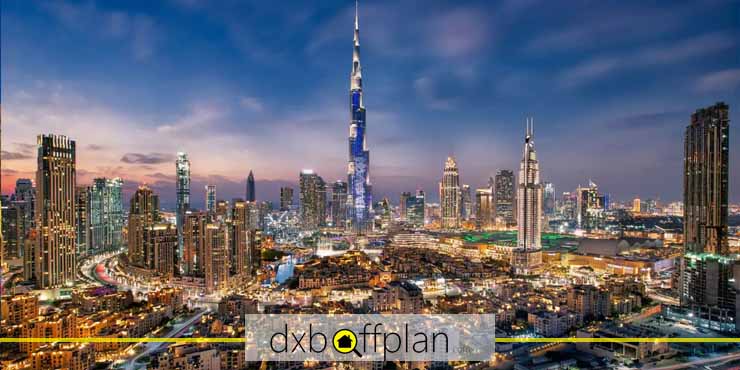
In the first quarter of 2025, the population in Dubai registered a significant growth and stood at 3.914 million. This is an indication that the city will most probably hit the 4 million mark before the close of Q3 2025. Official population statistics released by the Dubai Statistics Center indicate that in January to March 2025 alone, the population had increased by 51,295—a slight reduction from the 52,143 population increase between the same months last year.
This accelerated growth, which hasn’t been seen since 2018, once again underscores Dubai and the UAE’s prominent status as a preferred destination for international professionals, investors, and wealthy individuals. In 2024 alone, Dubai’s population rose by more than 169,000 to 3.825 million, marking the highest annual growth rate in recent years.
Population Growth: The Economic Catalyst
Population growth in Dubai is not only a reflection of the increased immigration and foreign labor recruitment but also a direct catalyst of the boom in other economic sectors such as real estate, retail, tourism, food industries and hospitality. The rise, coupled with the general trend of the UAE growing population, is a solid catalyst for sustainable economic growth. The UAE non-oil economy is capitalizing on this growth of the population at a rapid rate, as per the "Global Investment Outlook 2025" report of the research unit of Emirates NBD Bank. "Maurice Gravier, the bank's Chief Investment Officer, stated:A key driver of economic growth for the UAE is its expanding population. A vibrant labour market, long-term resident visas, coupled with best-in-class infrastructure for corporates, encourage white-collar workers to shift to the UAE. This steady influx of residents boosts consumption across real estate, telecom, retail and hospitality, supporting sustainable economic growth.Gravier also added that the growth of the working-age population will be one of the main drivers of growth in the UAE.